School’s out. The Knicks and Spurs are done for the season. And, after today, the Supreme Court takes a brief hiatus from terrorizing the body politic. Which makes it the perfect time to grab some popcorn, dim the lights, and continue your LPE education through fifteen films about law, power, organizing, and a perpetually moving train.
Harlan County, U.S.A. (1976)
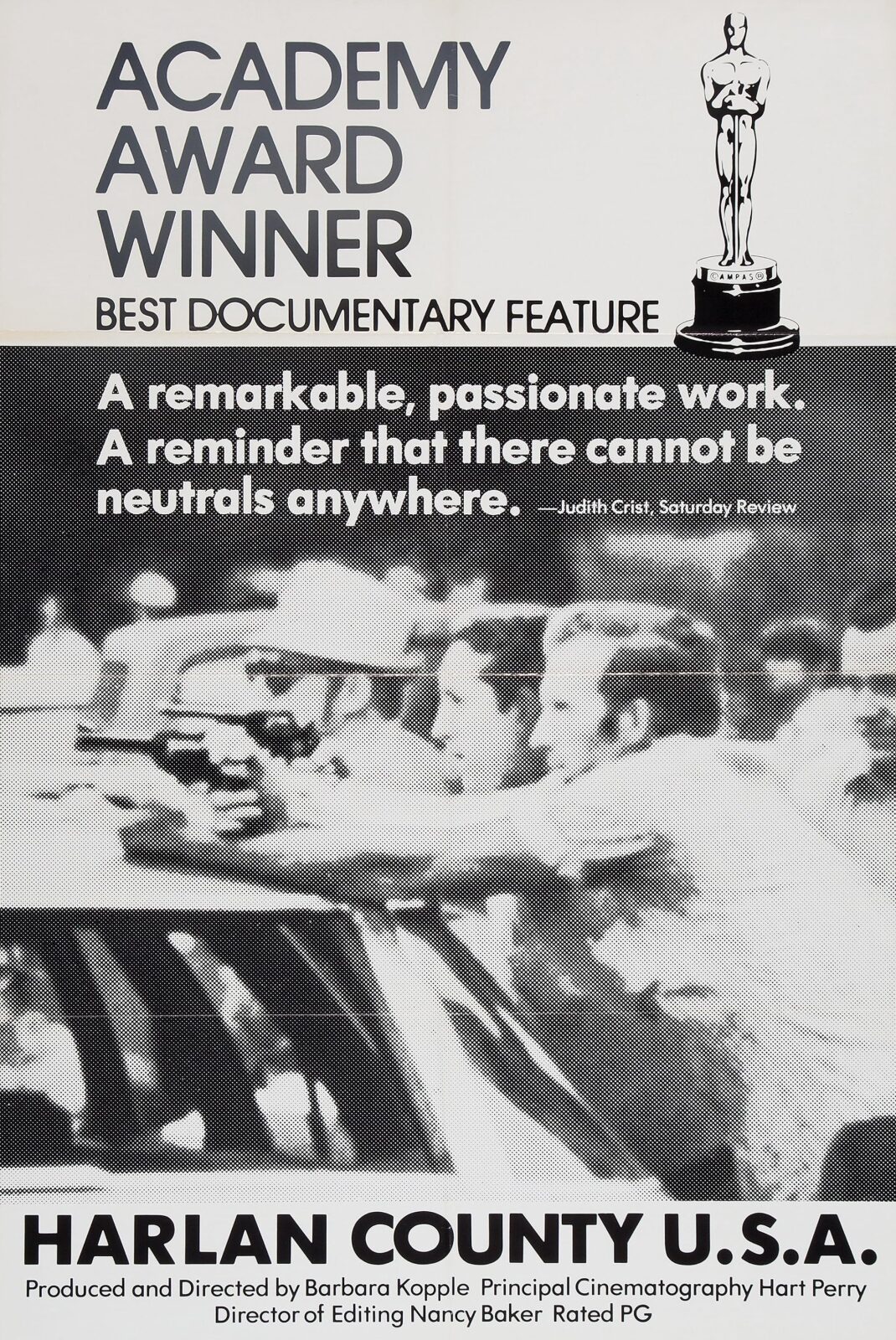
A quintessential American documentary, Harlan County follows Kentucky coal miners during a year-long strike as they fight to secure their first UMW contract. Along the way, it highlights the pivotal role of the miners’ wives, the fraught dynamics between local and national union leadership, and the violent lengths corporations will go to avoid paying workers a single dime.
Modern Times (1936)
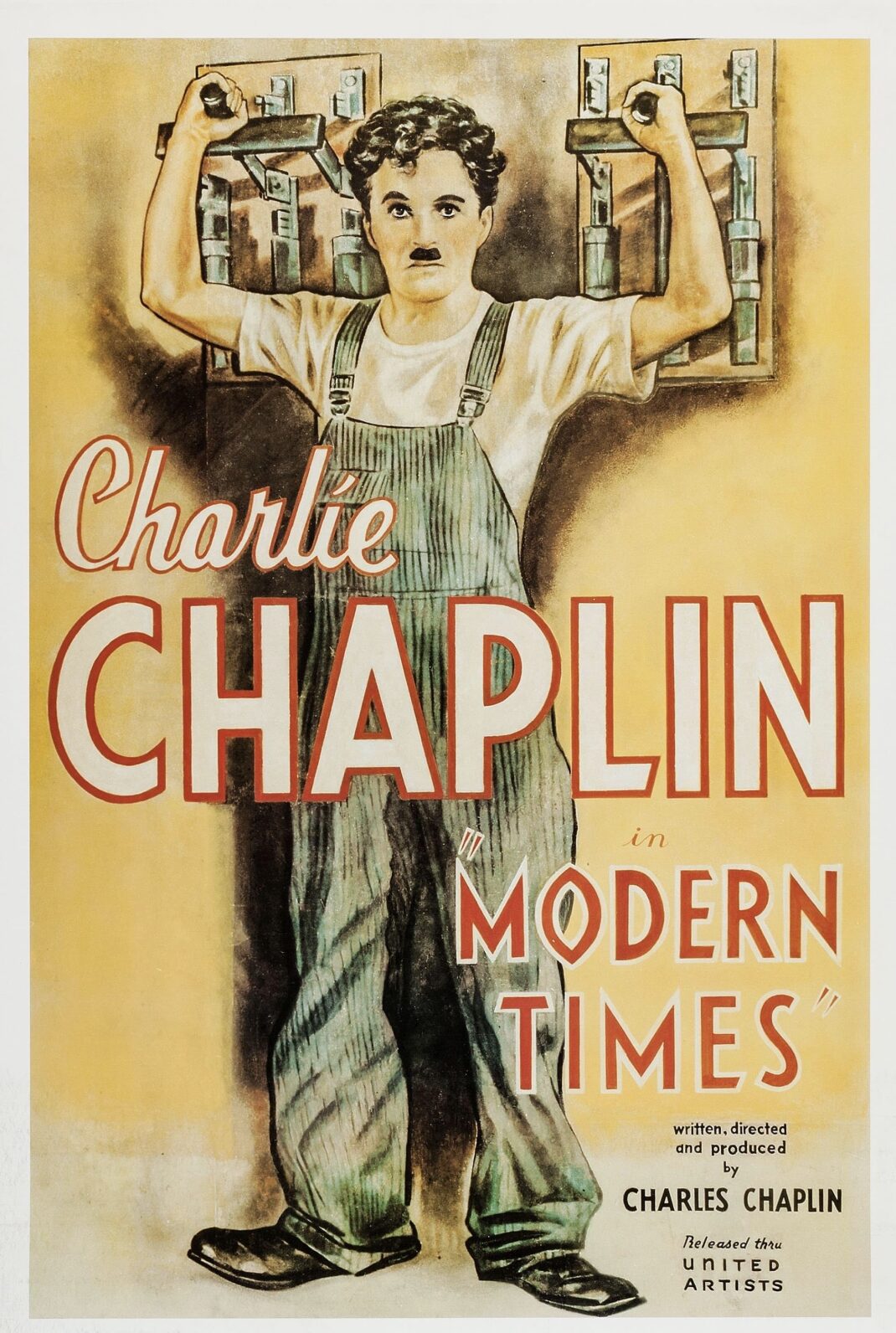
Chaplin’s masterpiece of physical comedy is also one of cinema’s sharpest indictments of industrial capitalism. As the Little Tramp is swallowed by the machinery of an assembly line, the film skewers Taylorist labor discipline, the dehumanizing pace of factory work, and the absurdity of a system that can produce abundance while leaving its workers destitute.
Sorry to Bother You (2018)
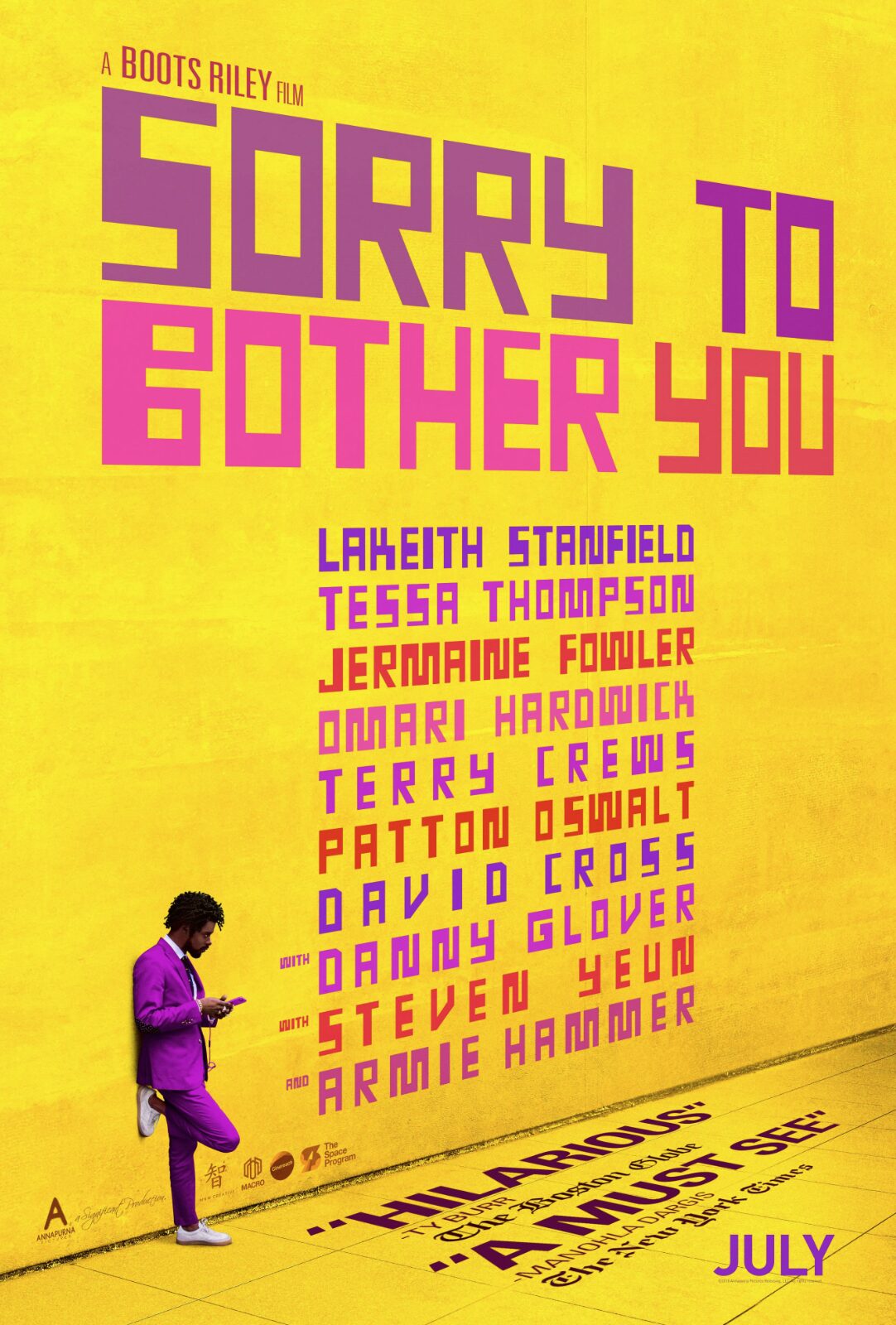
When a Black telemarketer discovers that the secret to success is adopting a “white voice,” he rockets up the corporate ladder just in time to confront the full horror of what that ladder is built on. Part labor fable, part racial politics, part hallucinatory body horror, Boots Riley’s surrealist satire is the rare film that manages to be genuinely funny and furious at the same time.
Children of Men (2006)

Alfonso Cuarón’s masterwork uses its haunting premise—no child has been born for two decades—to consider how society might function in a world with no future. Its vision of border militarization, refugee camps, and authoritarian crackdowns becomes more prescient with each passing year, making its faith in solidarity and sacrifice all the more resonant.
The Battle of Algiers (1966)
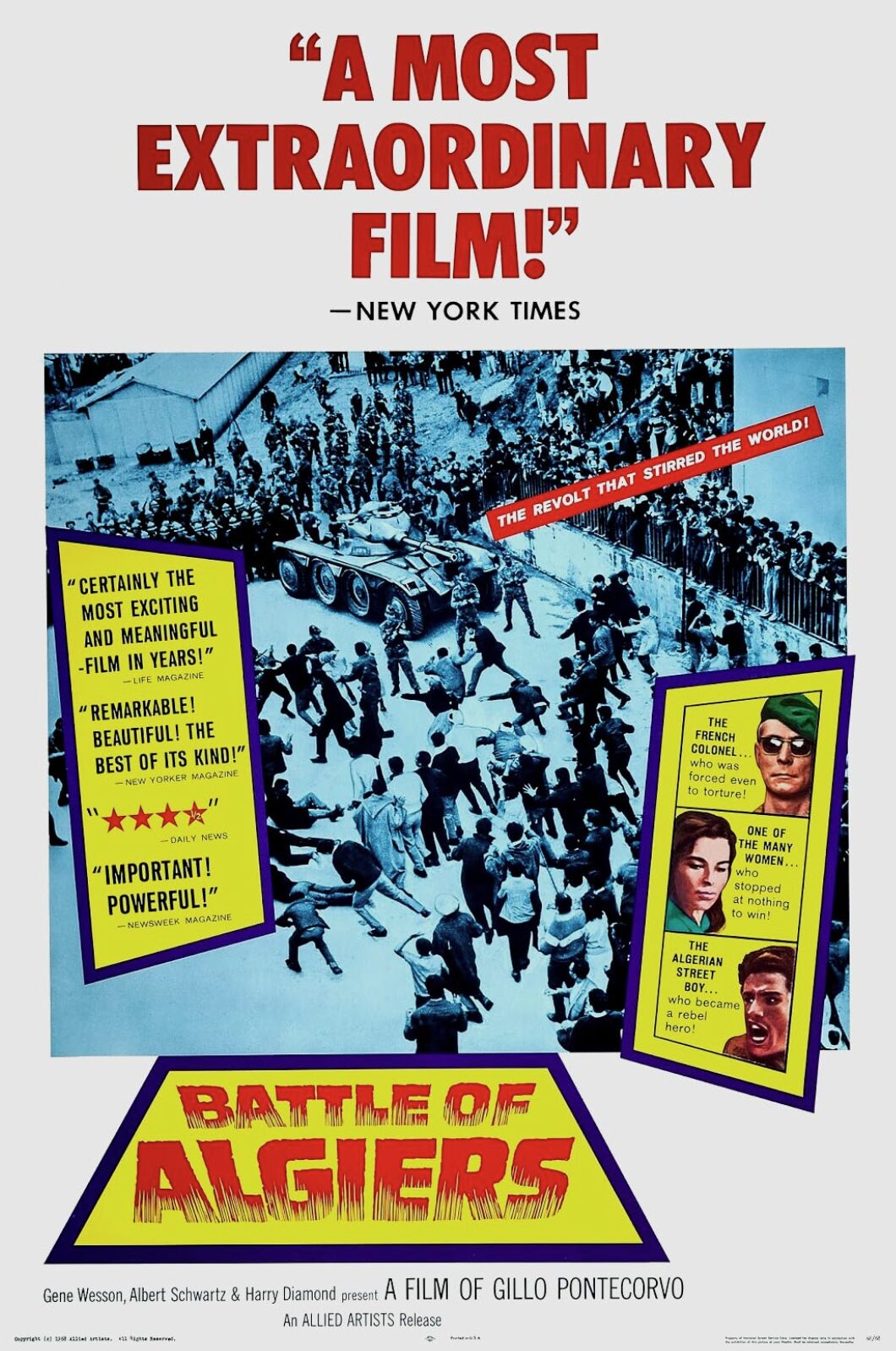
Depicting the urban guerrilla campaign waged by Algerian nationalists against French occupation in claustrophobic, realist detail, Gillo Pontecorvo’s film demonstrates how legal regimes, policing, and violence intertwine with labor and urban space to preserve the colonial and postcolonial economic order.
Margin Call (2011)
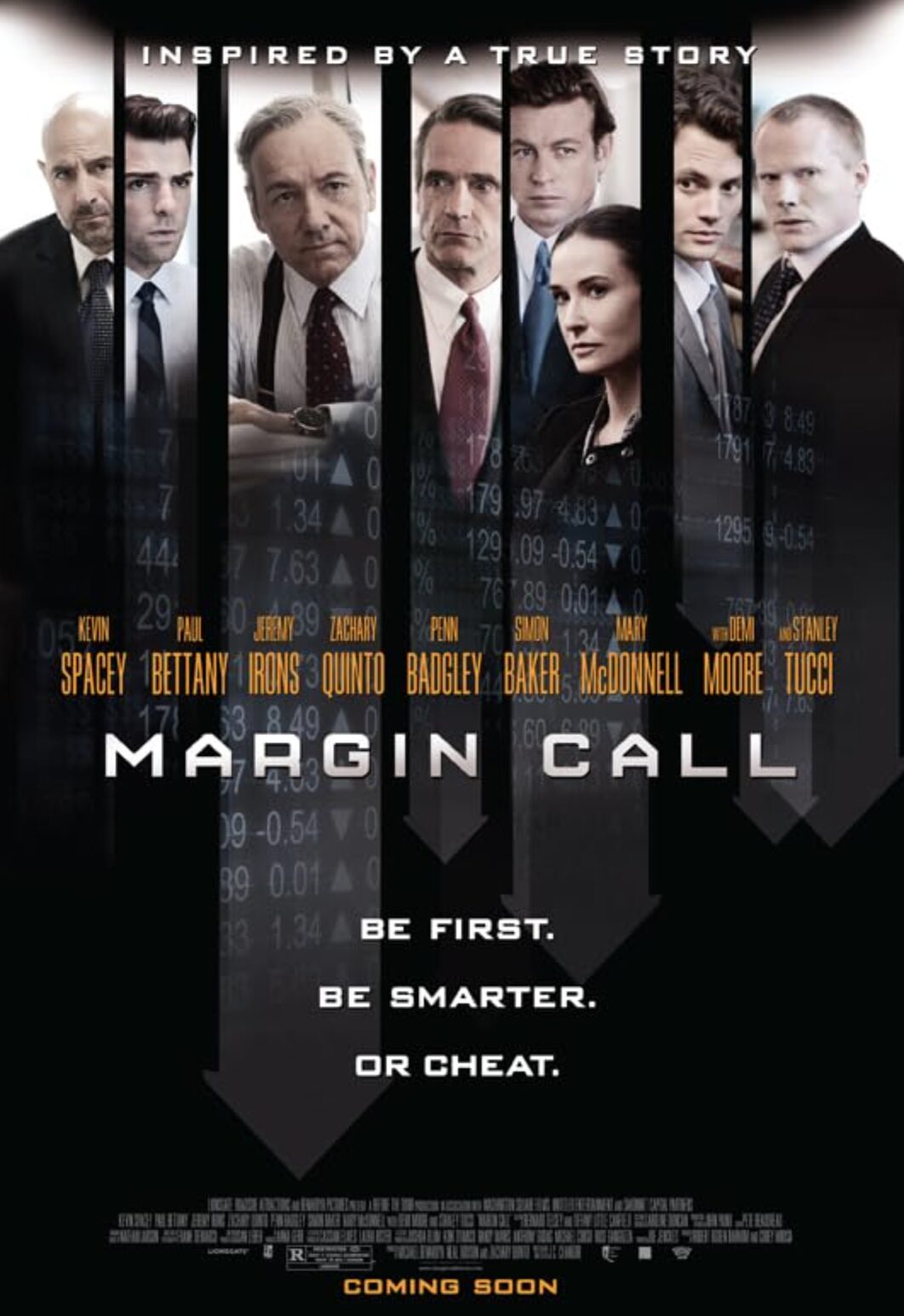
A junior analyst discovers that his firm is overleveraged, the market is about to collapse, and they have mere hours to act. What follows, compressed into a single sleepless night, is one of the best depictions of the cynical greed, recklessness, and corporate self-preservation that underscored the 2008 Financial Crisis.
It’s a Wonderful Life (1946)
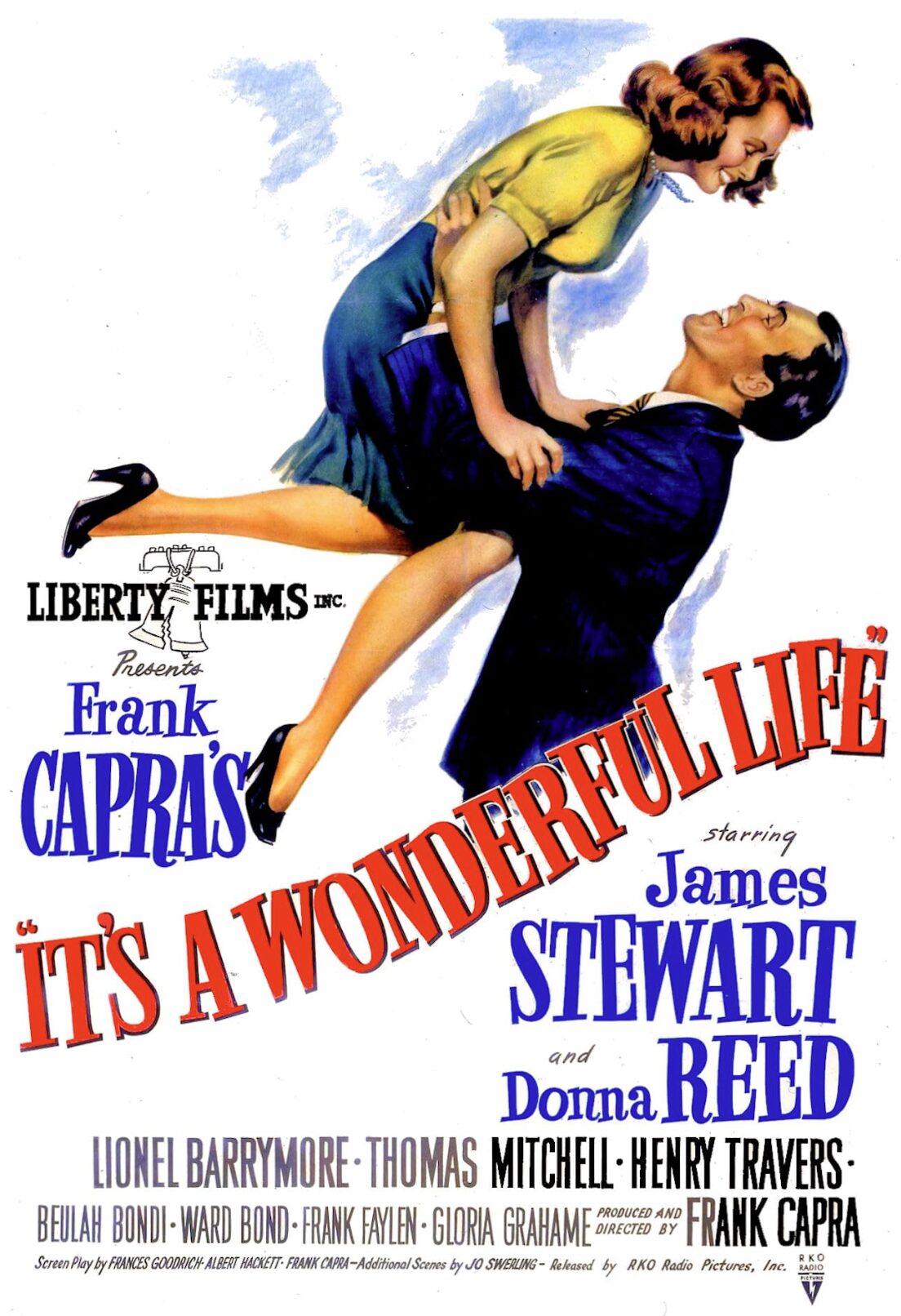
Though often pigeon-holed as a Christmas movie, this Depression-set classic is actually a rousing call for community-based solidarity and decommodified housing. We’ll let George Bailey’s admonishment of the local slumlord speak for itself: “This rabble you’re talking about, they do most of the working and paying and living and dying in this community. Is it too much to have them work and pay and live and die in a couple of decent rooms and a bath?”
Snowpiercer (2013)

In this dystopian sci-fi flick, a man-made catastrophe freezes the planet, forcing the only survivors to cling to life aboard a nonstop train in which the cars and their attendant duties have been sorted according to class. Director Bong Joon Ho, always astute at exposing capitalism’s brutality (see also: Parasite, Okja, and Mickey 17), examines the fallacy of the supposedly natural ordering of society, the exploitation of labor, and the power of working class solidarity in this literal “eat the rich” tale.
Pride (2014)
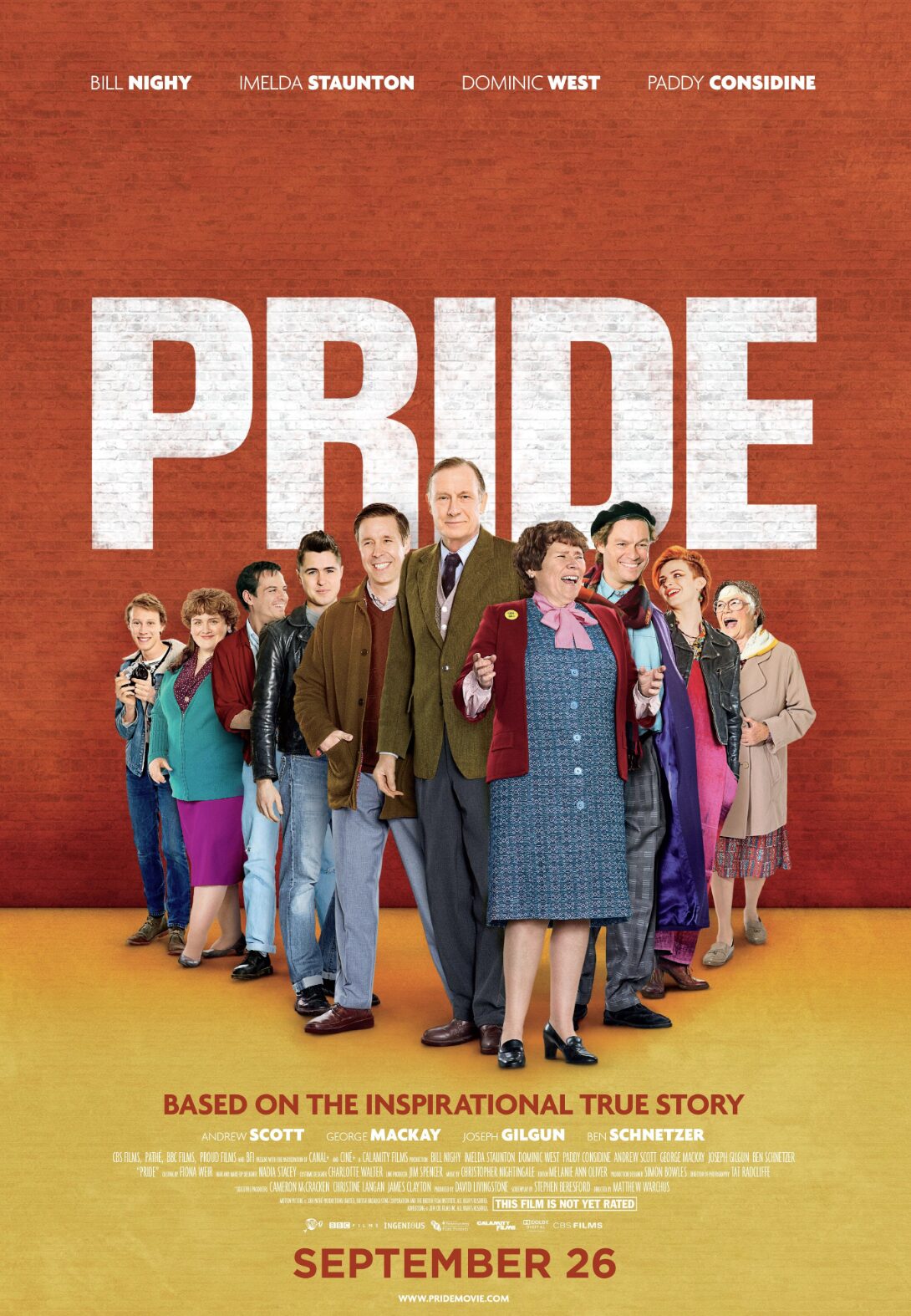
Based on the true story of lesbian and gay activists who raised money for striking Welsh miners during the 1984 UK miners’ strike, this film celebrates how solidarity can take root when different oppressed groups recognize they are fighting against the same forces.
Matewan (1987)
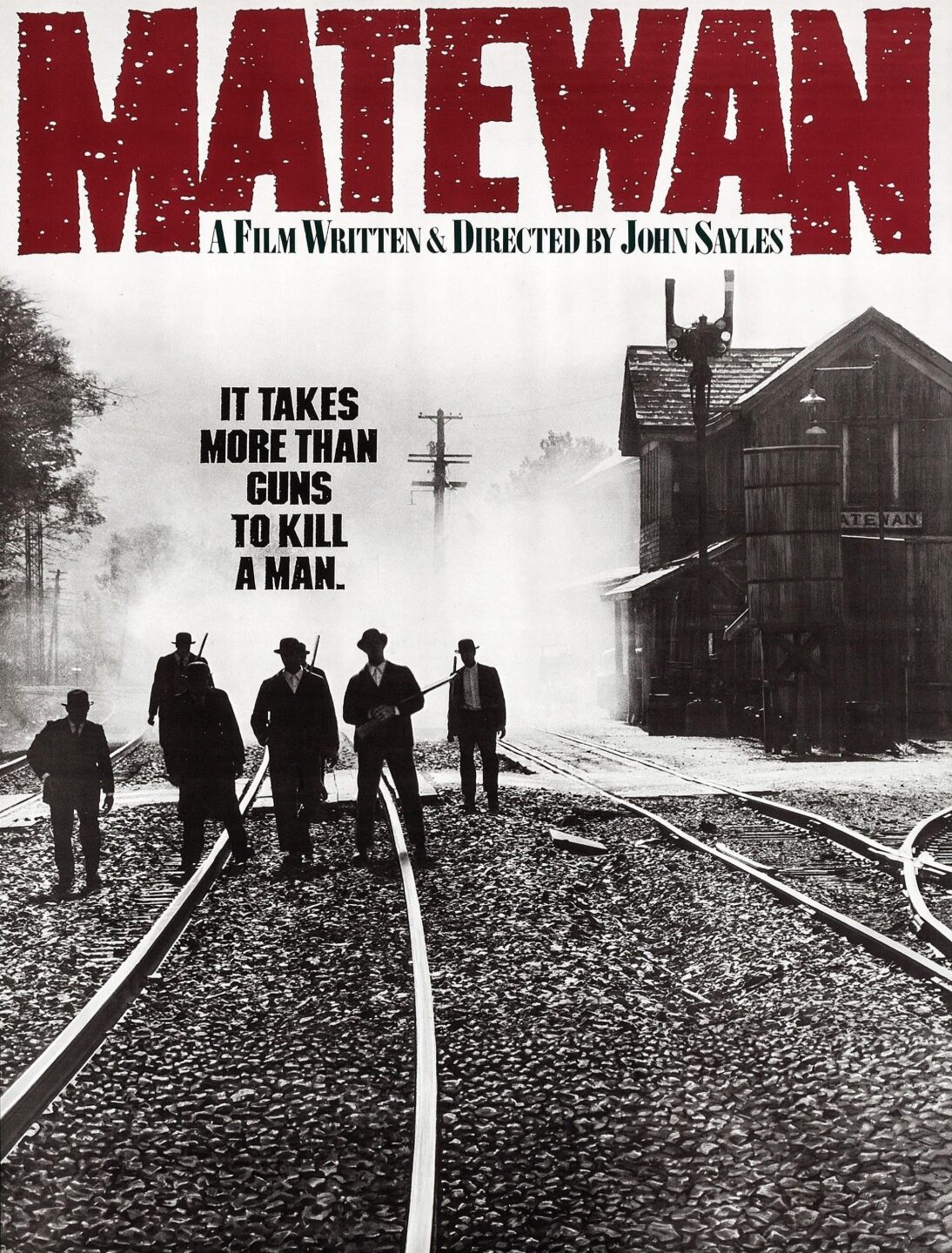
In another story about solidarity and struggle, John Sayles’ period drama reconstructs the bloody 1920 West Virginia coal miners’ strike with uncommon care and political clarity. As the mine owners seek to exploit divisions between Black, Italian immigrant, and white Appalachian workers, a member of the IWW arrives on the scene and works to dismantle this logic.
District 9 (2009)

This mockumentary asks: what if aliens came to Earth but were less advanced than humans? It answers: we’d treat them how we treat all refugees, forcing them into segregated, substandard slums under the watchful eye of a militarized government bureaucracy, and mine what resources they do have for private profit.
The Law in These Parts (2011)
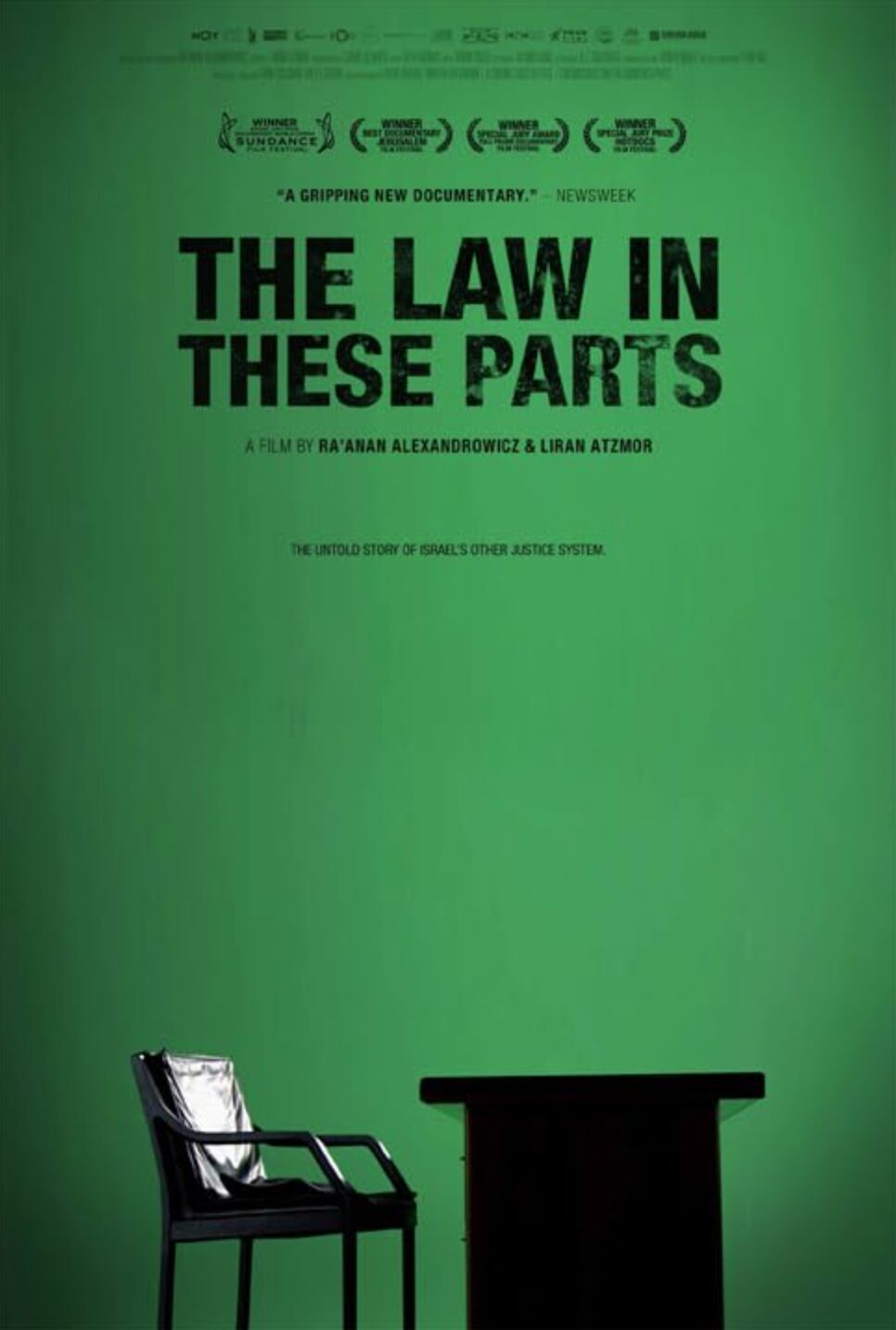
This Israeli documentary turns the camera on the military legal system that has governed the Occupied Palestinian Territories since 1967, interviewing the judges and prosecutors responsible for constructing it. What emerges is a quietly devastating portrait of how law becomes the respectable face of occupation.
La Haine (1995)
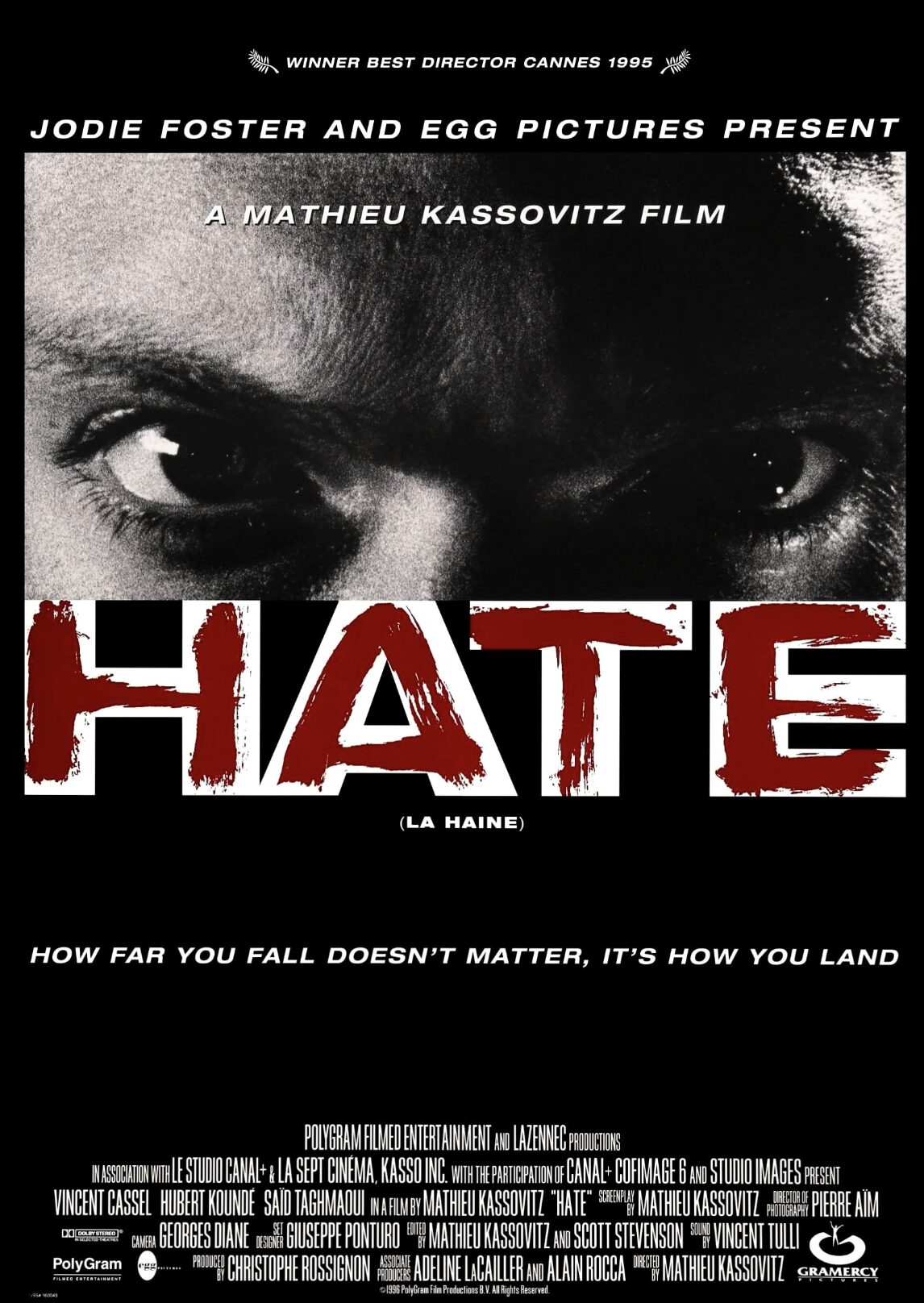
A gut-wrenching yet often quite funny day-in-the-life with three young friends in and around Paris after a violent riot. As Vinz explains: “It’s about a society on its way down. And as it falls, it keeps telling itself: ‘So far so good…so far so good…so far so good.'”
Red Rocket (2021)
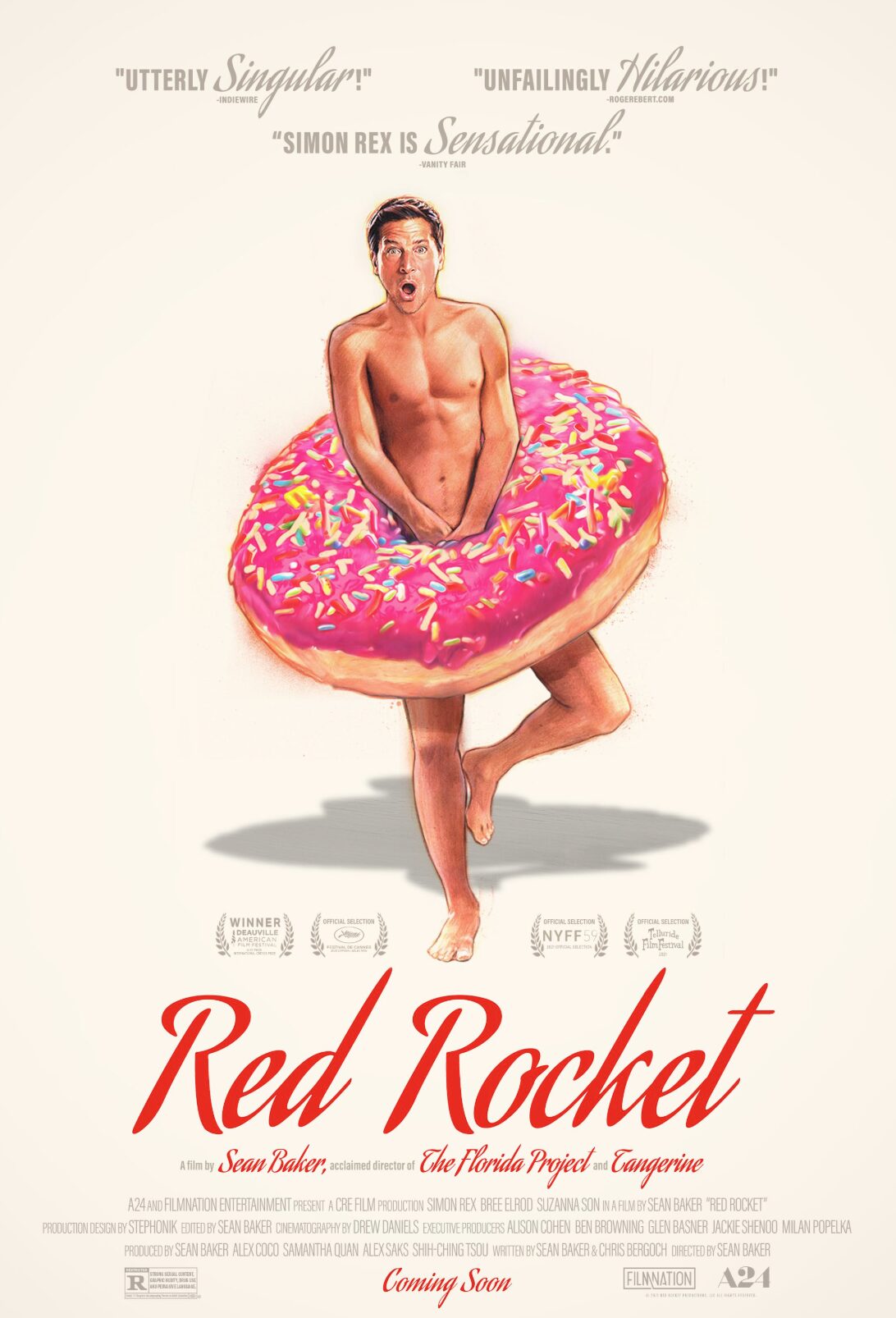
Sean Baker (best known for the Oscar-winning Anora and highly-acclaimed The Florida Project) is uniquely talented at portraying the margins of American life. With Trump’s 2016 campaign on TVs in the background and the oil refineries of the Texas Gulf in the foreground, the picture painted by Red Rocket is one of precarity, boredom, and dreams of escape.
Andor (2022, 2025)

What can we say, listicle rules are meant to be broken. This small screen Star Wars spin-off dissects the all encompassing yet brittle nature of tyranny, the disparate motives and small acts that coalesce to create revolutionary movements, and the long, often thankless arc of resistance (all without a single lightsaber).